
Protect Your Palms
Identify palms that need attention and support earlier intervention to help limit pest damage, preserve productive trees and reduce the risk of crop loss.
The plantation
Smart Tree Monitoring
Smart sensing solutions for tree protection. A unique sensing technology that detects pests attacking trees before they cause damage. FARMX provides early, precise detection and real-time alerts to protect trees.
Date plantations · Municipal landscapes · Hotels and estates
Interactive product demonstration
Follow the illustrative path from potential activity at Palm P-024 to a simulated FarmX App notification, alert view and plantation-map location.
Interactive demonstration — simulated data and notification.
Animation speed does not represent detection time.

FarmX App
Demonstration view
Waiting for tree alerts
FARMX IN YOUR FIELD
FARMX TREE helps identify early indications of red palm weevil activity inside palms, so your team can determine which trees need inspection and plan a targeted response. The aim is to support protection of productive palms and reduce unnecessary pesticide use through better-informed pest management.
Identify palms that need attention and support earlier intervention to help limit pest damage, preserve productive trees and reduce the risk of crop loss.
Follow changes in detected pest activity after treatment to help assess the response and identify palms that may need further inspection.
Use tree-level information to support targeted treatment decisions and reduce unnecessary pesticide applications as part of your plantation’s pest-management programme.
Bring sensors, a gateway and FarmX App together in a practical monitoring setup for your plantation. Installation and activation follow the approved product guidance.
Focus inspections and treatment where they are needed. More targeted management can help control operating costs and reduce the risk of expensive tree replacement.
Preserving productive palms and limiting avoidable treatment costs can contribute to the return on your monitoring investment. Actual returns depend on pest pressure, field practices and total system costs.
Monitoring supports inspection and treatment decisions. Results depend on timely follow-up and field conditions.
The hardware
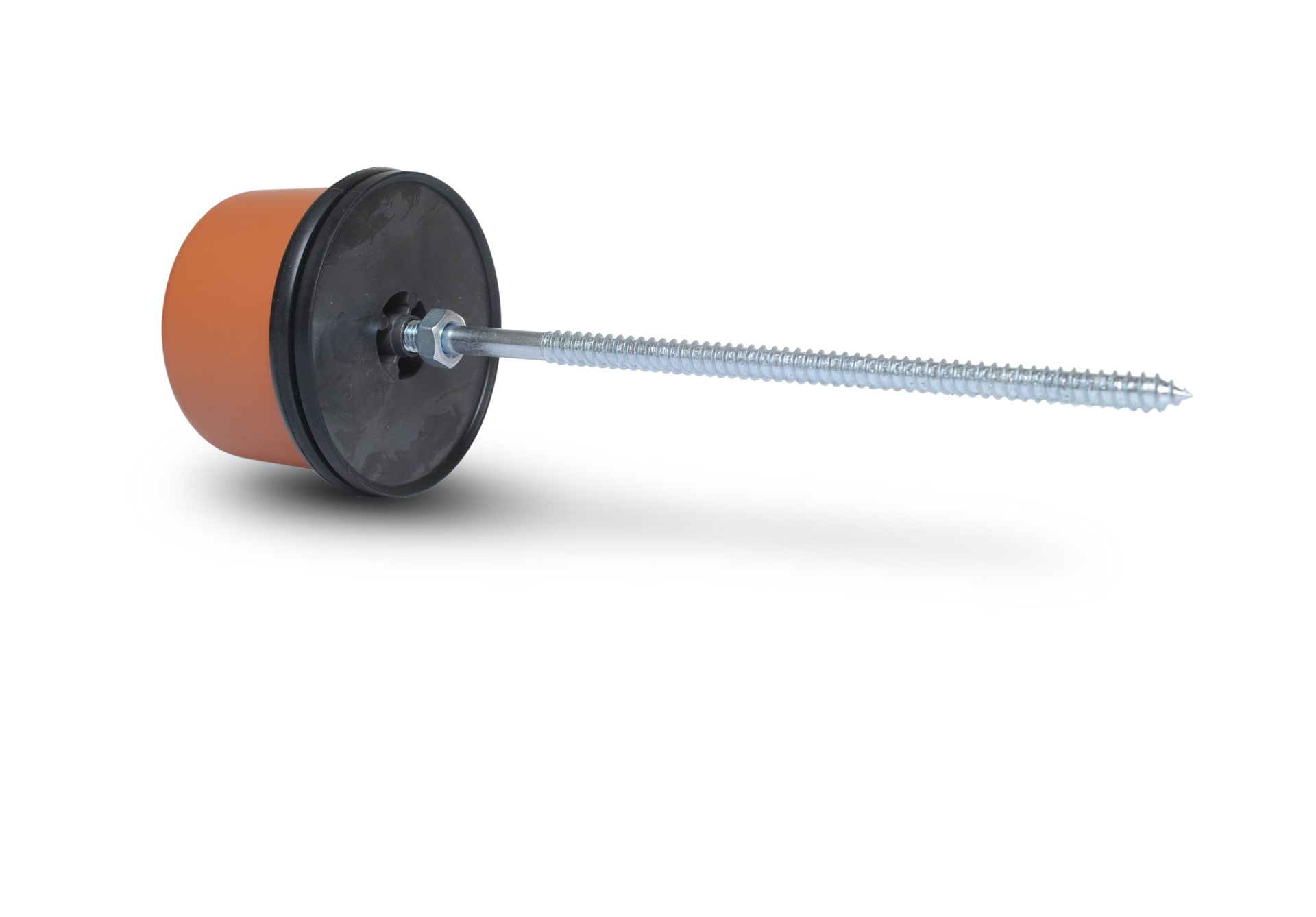
A FARMX TREE sensor is installed at the palm and registered to that tree. Sensor communications pass through the field network and gateway to the monitoring application, where the responsible team can review activity indications.
The hardware
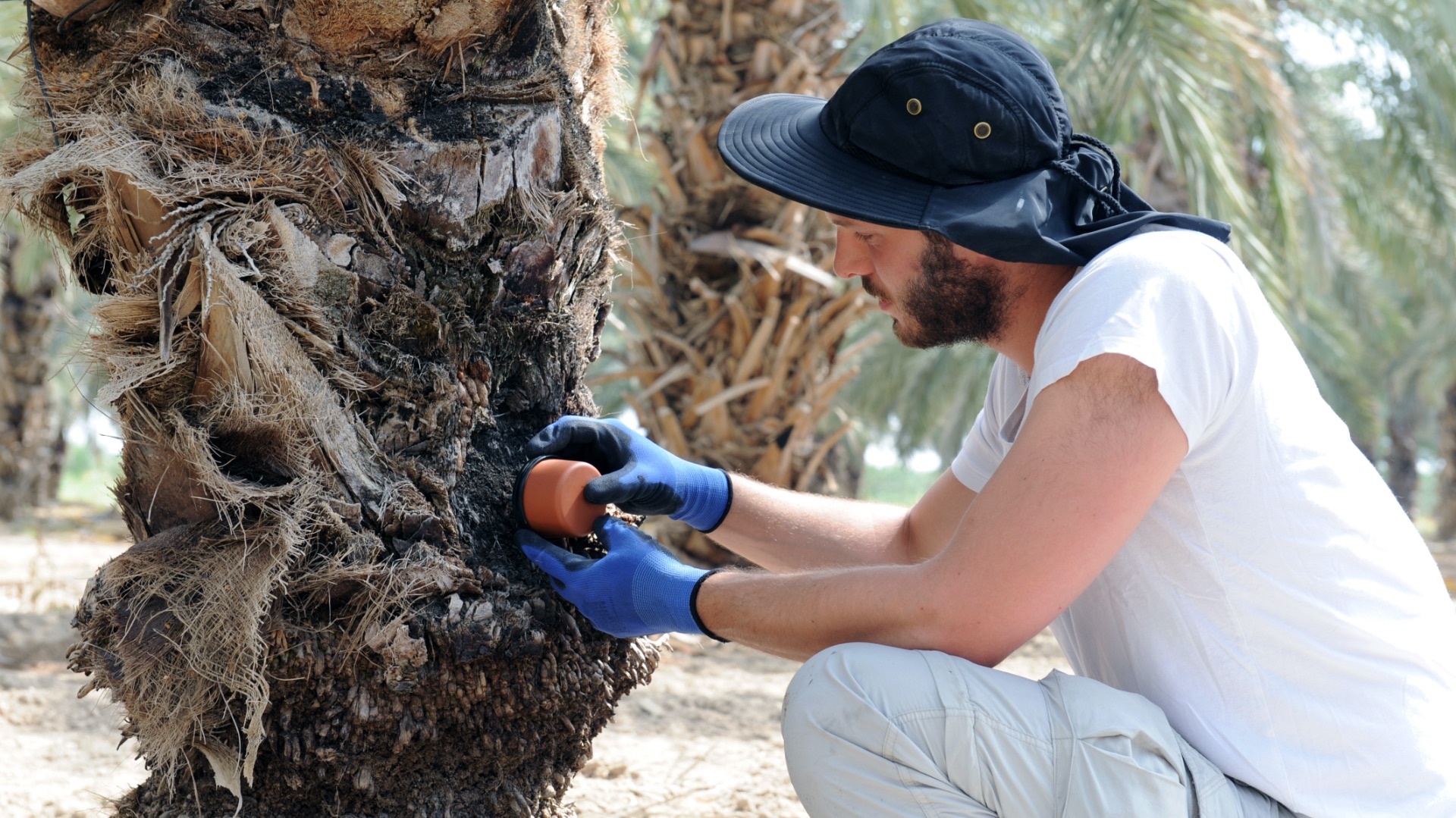
The installation photograph shows the actual FARMX TREE unit positioned at a palm trunk. The device provides monitoring input; inspection, diagnosis and treatment remain separate professional decisions.
The challenge
Red palm weevil larvae feed within palm tissue, where visual checks may not reveal activity at an early stage. Tree-level monitoring adds another source of information, helping teams decide which palms warrant closer inspection. It supports professional assessment; it does not diagnose or treat a tree on its own.
Larval activity occurs within palm tissue, beyond the reach of a routine visual check.
Large, repetitive plantations make consistent tree-by-tree follow-up difficult.
A prioritised list helps direct inspection effort before any treatment decision is made.
The solution in practice
The sensor records at the palm. Communications move through the field network and gateway to the monitoring application. When analysis produces an activity indication, the responsible team can use the alert to prioritise inspection. Any follow-up record depends on the confirmed software version.
Each palm is identified within the FARMX TREE system, creating the foundation for individual tree monitoring across your site.
A dedicated seismic sensor is installed directly on the trunk, capturing signals from within the palm associated with potential pest activity.
The gateway connects sensors across the site and transfers information from the field into the FARMX TREE digital environment.
Sensor information is presented through the FARMX TREE monitoring environment, giving teams a clear overview of monitored palms and highlighting trees that may require attention.
When potential activity is identified, the relevant palm can be prioritised for closer inspection — helping field teams direct their time and resources where they are needed most.
How it works
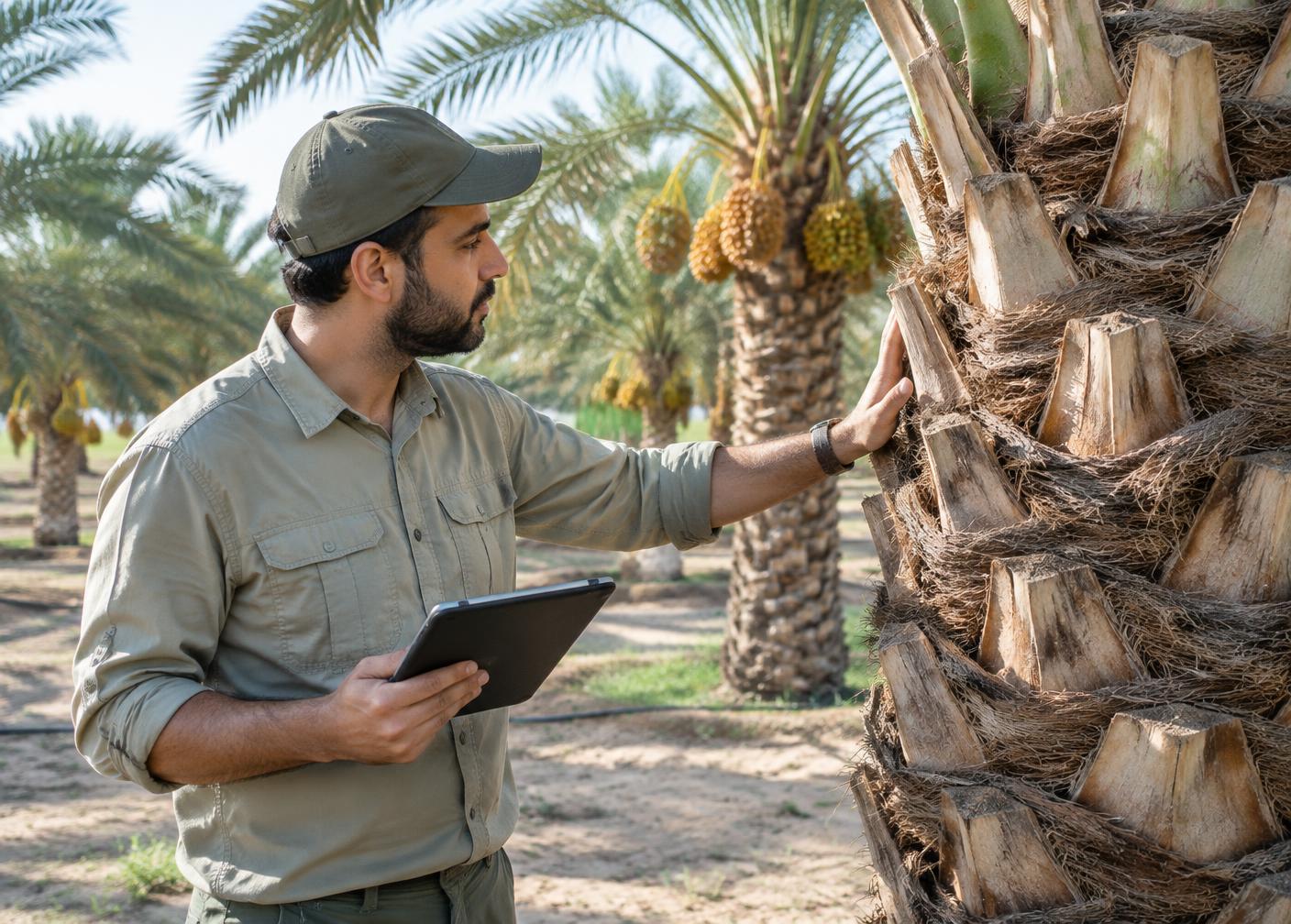
Sensors are installed on the selected palms and each unit is registered to its tree and location.
The system gathers tree-level readings for remote analysis between field visits.
The team reviews activity indications in the application and identifies the corresponding tree.
A qualified person inspects the palm, interprets the finding and decides the appropriate response. Monitoring is not treatment.
Where it is used
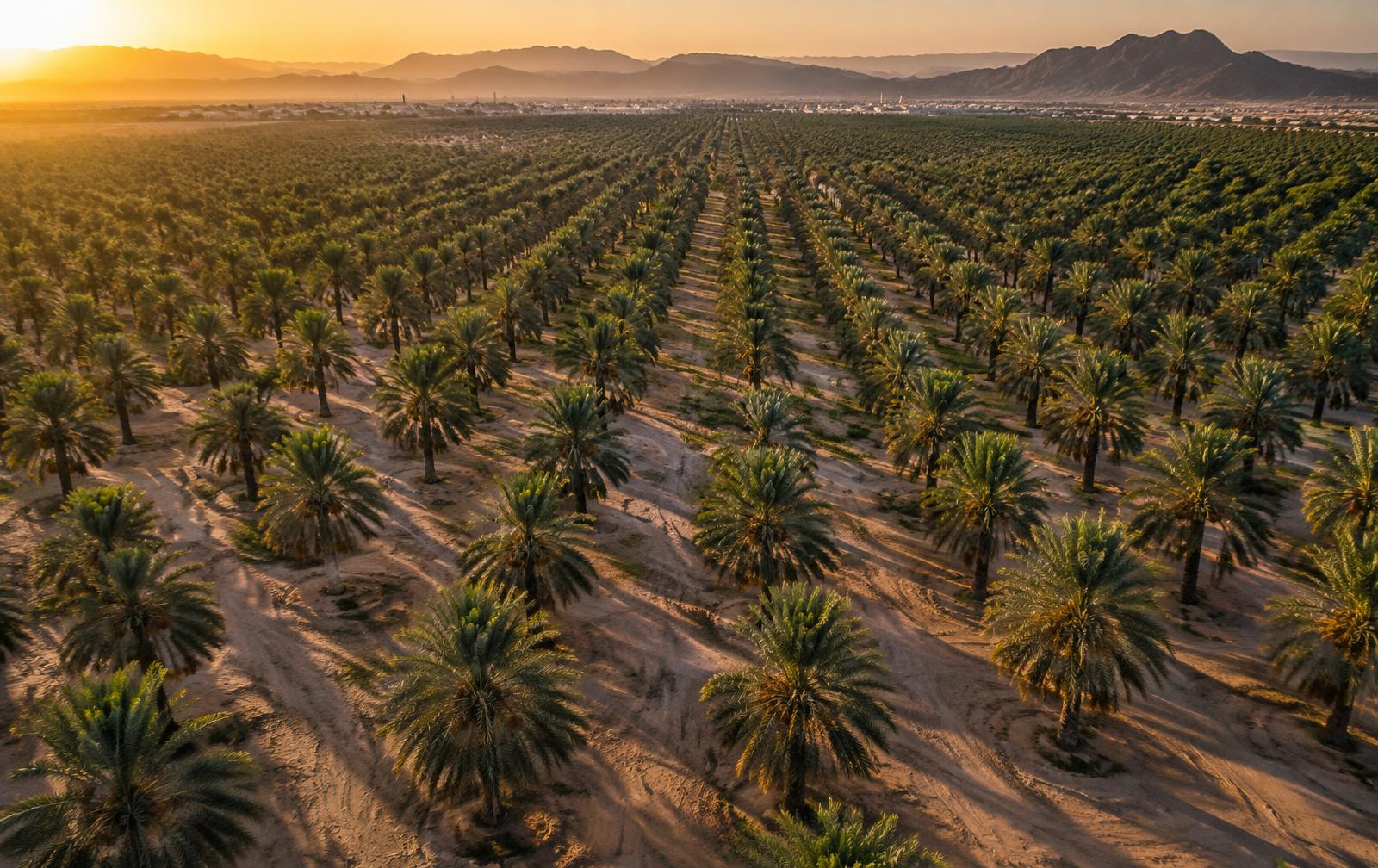
For commercial date plantations that need a structured way to review individual palms across extensive, repetitive plantings.
Explore date palm monitoring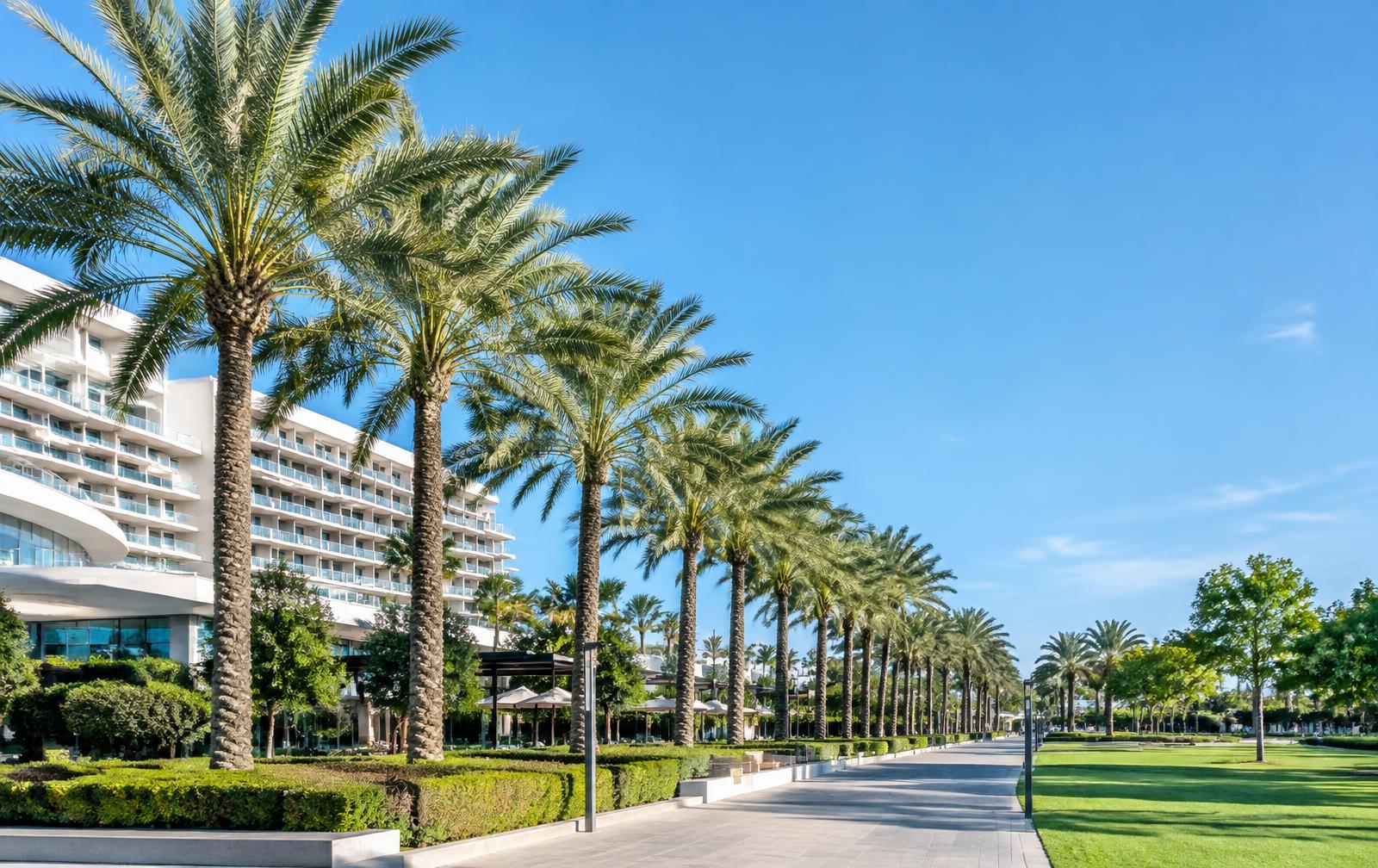
For municipalities, parks, hotels and estates that manage visible, mature palms individually and need traceable follow-up.
Explore ornamental palm monitoringThe platform
The manufacturer’s material presents an end-user application for reviewing monitored trees and activity indications. Exact views, user roles and record functions must be confirmed for the software version offered.
The website preview uses sample data. FarmX App is the existing published app; download availability does not by itself activate FARMX TREE monitoring or connected hardware.

Download FarmX App
Explore 120 sample palms and review the meaning of each demonstration status.
Illustrative platform preview — sample data
Drag to move the plantation. Use the controls to zoom.
Demonstration alert that asks for follow-up. It is not an independently confirmed diagnosis.
Discuss a system for my plantationSelect an example to locate the same palm on the map.
Questions
Each selected palm is equipped with a dedicated FARMX TREE sensor installed directly on the trunk and registered to that individual tree within the monitoring platform.
The installation plan — including sensor placement, gateway positioning and network configuration — is adapted to the conditions of each site.
FARMX TREE can be deployed across different types and sizes of palm populations — from selected high-value palms and managed landscapes to commercial plantations and large-scale projects.
The number of sensors and overall network design are determined by the number of palms, site layout, monitoring objectives and local conditions.
FARMX TREE connects sensors in the field with the digital monitoring environment through a dedicated gateway.
The gateway forms the link between the monitored palms and the platform, allowing sensor information to be made available to the teams responsible for monitoring and inspection.
Network configuration and gateway placement are planned according to the individual site.
Every project begins with understanding the palms and the site.
We look at the number and type of palms, site layout, current pest challenges, connectivity and the existing inspection routine. From there, FARMX can develop an appropriate monitoring setup and implementation plan.
For customers who want to evaluate the technology before a wider deployment, a demonstration or pilot project can also be discussed.
Yes. Request a demonstration and our team can walk you through FARMX TREE, the monitoring workflow and how the technology could be deployed across your site.
For larger projects, we can also discuss the appropriate scope for an initial pilot or phased deployment.
Share the palm type, approximate number of palms, site layout and current concern. FARMX can then discuss the relevant technical and operational questions with you.